Difference Testing for Sensory Evaluation and Product Optimization
Ensure product consistency and consumer acceptance with scientifically backed sensory analysis. Our Difference Testing identifies whether formula changes, ingredient shifts, or new processes create detectable variations in your product’s sensory profile.
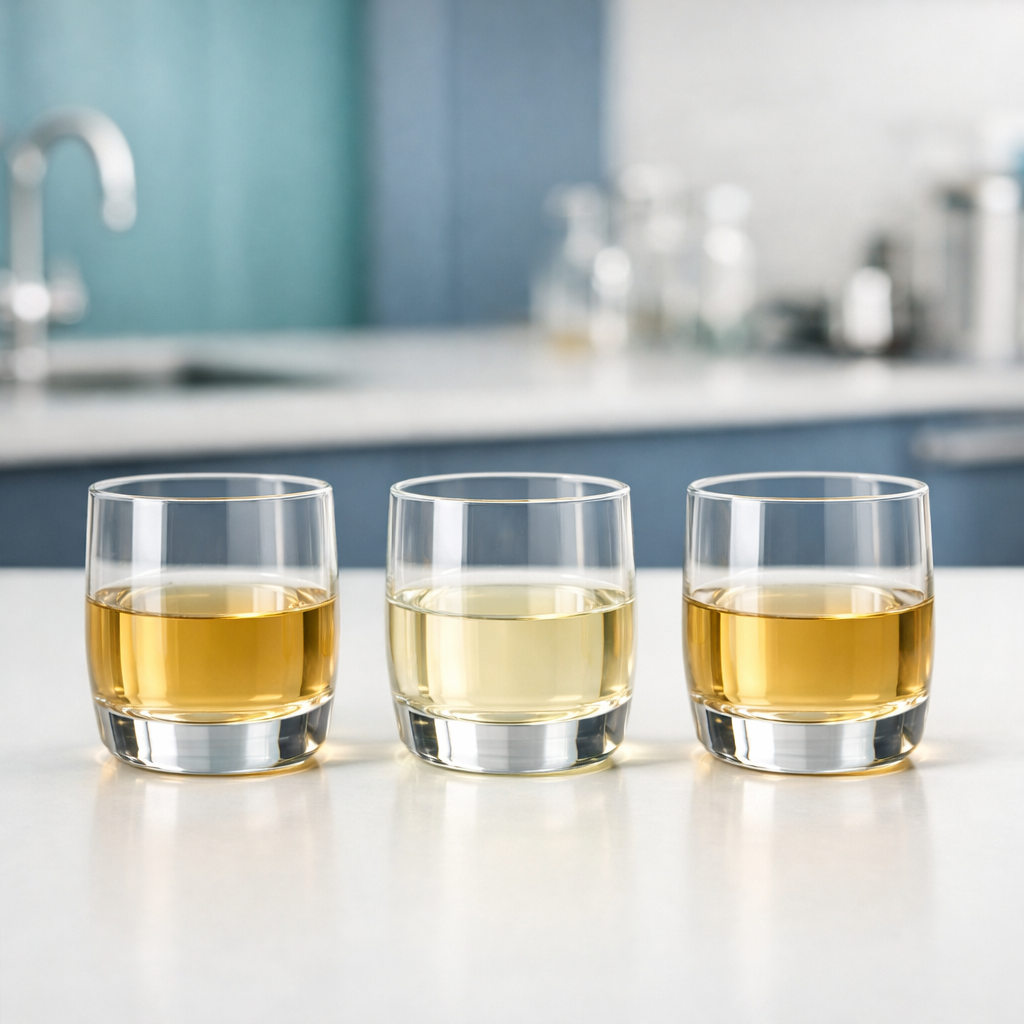
The Role of Difference Testing in Innovation
Innovation is essential, but it must be balanced with consistency in consumer perception. Regulatory shifts and formula updates often present challenges for product development; adapting to these ingredient changes can alter flavor, aroma, or other sensory attributes.
Our Difference Testing services allow you to compare formulas using the Triangle and Tetrad methods to identify if consumers can detect these shifts. This scientific approach helps you:
- Validate Cost-Savings: Confidently challenge or confirm that lower-cost ingredients don't compromise quality.
- Optimize Formulations: Compare new options against current "gold standards" to decide on a final formula.
- Navigate Regulations: Ensure product integrity remains intact while meeting new compliance demands.
Strategic Applications for Difference Testing
Difference testing is an essential tool for maintaining quality and performance across several scenarios:
- Reformulation & Ingredient Substitution: Ensuring "clean label" or cost-reduced versions match the original profile.
- Quality Control & Batch Consistency: Verifying that production remains stable across different facilities or lots.
- Process or Packaging Changes: Confirming that new manufacturing methods or sustainable packaging do not compromise the sensory experience.
- Competitive Benchmarking: Identifying how your product stacks up against market rivals.
While difference testing acts as a sensory gatekeeper, it is often used in tandem with our broader Sensory Analysis Capabilities to provide a 360-degree view of product performance.
Strategic Applications for Difference Testing
Difference testing is an essential tool for maintaining quality and performance across several scenarios:
- Reformulation & Ingredient Substitution: Ensuring "clean label" or cost-reduced versions match the original profile.
- Quality Control & Batch Consistency: Verifying that production remains stable across different facilities or lots.
- Process or Packaging Changes: Confirming that new manufacturing methods or sustainable packaging do not compromise the sensory experience.
- Competitive Benchmarking: Identifying how your product stacks up against market rivals.
While difference testing acts as a sensory gatekeeper, it is often used in tandem with our broader Sensory Analysis Capabilities to provide a 360-degree view of product performance.
Difference testing is an essential tool for maintaining quality and performance across several scenarios:
- Reformulation & Ingredient Substitution: Ensuring "clean label" or cost-reduced versions match the original profile.
- Quality Control & Batch Consistency: Verifying that production remains stable across different facilities or lots.
- Process or Packaging Changes: Confirming that new manufacturing methods or sustainable packaging do not compromise the sensory experience.
- Competitive Benchmarking: Identifying how your product stacks up against market rivals.
While difference testing acts as a sensory gatekeeper, it is often used in tandem with our broader Sensory Analysis Capabilities to provide a 360-degree view of product performance.
Scientifically Validated Discrimination Methods
We specialize in high-sensitivity discrimination tests designed to provide statistically significant results:
- Triangle Testing: A three-sample test where the evaluator identifies the "odd" sample out of two identical and one different product.
- Tetrad Testing: A four-sample test (two of Product A, two of Product B) that offers higher statistical power and efficiency than the Triangle method, particularly for larger sample sizes
Food Sensory Difference Testing Resources
Difference Testing Frequently Asked Questions
Difference-from-Control is used when a known change has occurred and the goal is to quantify the magnitude of that difference. Statistically, it often employs an Analysis of Variance (ANOVA) or a Dunnett’s Test to compare several test samples against a single "blind" control. This allows R&D teams to determine if a new ingredient or process falls within an acceptable sensory tolerance range compared to the gold standard.
In QA, difference testing acts as a "sensory gatekeeper." It ensures that batch-to-batch variation, ingredient swaps, or packaging changes do not result in a detectable shift in the consumer experience. By identifying these shifts before a product hits the shelf, companies protect brand equity, reduce the risk of consumer rejection, and validate that cost-saving measures don't compromise product integrity.
The two primary methods used in sensory difference testing are the Triangle Test and the Tetrad Test.
- Triangle Test: An evaluator is presented with three samples (two identical, one different) and must identify the odd sample.
- Tetrad Test: Evaluators receive four samples (two of Product A and two of Product B) and must group them into two pairs of like samples. The Tetrad method is increasingly preferred in high-stakes B2B environments because it provides higher statistical power with fewer panelists.
Specialized sensory CROs (Contract Research Organizations) like Mérieux NutriSciences provide these services. Unlike general marketing firms, these companies operate ISO-certified sensory laboratories and utilize trained panels to provide objective, repeatable data. This ensures that product differentiation is based on scientific discrimination rather than subjective consumer "likes".
Outsourcing is recommended when internal panels are at risk of "taster fatigue" or bias, or when a high-stakes decision—such as a global reformulation or a cost-reduction project—requires statistically validated, third-party data. Professional sensory labs provide controlled environments (lighting, climate, and neutralized odors) and access to specialized software that ensures the integrity of the Triangle and Tetrad results.
Ready to Validate Your Product Excellence? Whether you are navigating a complex reformulation, auditing batch consistency, or launching a cost-savings initiative, our sensory scientists are here to provide the data you need. Reach out today to discuss your Difference Testing requirements or to request a customized study design for your product.