Physical Testing
Product quality is crucial in a robust quality assurance program. Tests measure how closely a product aligns with specific standards for food and consumer goods. Most of these tests can be classified as physical and defect testing. Food Physical Testing labs specialize in quantifying distinctive product features and capturing crucial metrics like defects or unusable products per case.
Enhance Your Product's Success: Benchmarking and Beyond
Food physical testing can also be utilized to gauge a product's performance against its rivals, a process known as benchmarking. By conducting head-to-head comparisons using a range of physical tests, distinct points of differentiation can be identified. These unique characteristics can then be optimized to craft exceptional, award-winning products. Mérieux NutriSciences offers physical testing services across four convenient locations in North America. Our comprehensive physical testing includes various techniques and analyses designed to ensure the highest quality standards for your products.
Food and Beverage
- Breading %
- Broken / Unusable Pieces
- Cook Yield
- Dimensions
- Glaze %
- Hunter LAB Color
- Inclusions
- Melt Tests
- Package Closure
- Piece Counts
- Product Specific Defects
- Sieve Analysis
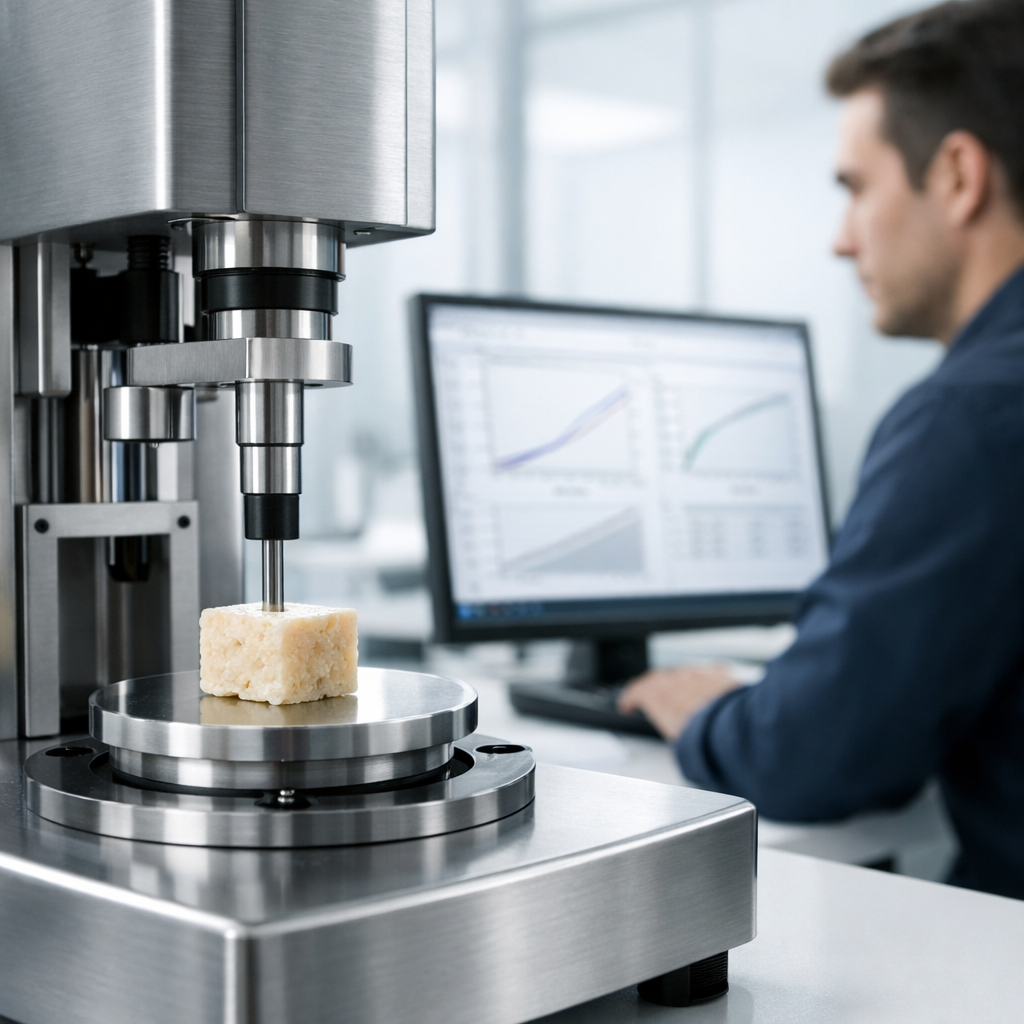
- Texture Analysis
- Viscosity
- Weights
Consumer Goods
- Absorbency (feminine hygiene, incontinence, diapers)
- Dishwashing (automatic and hand) Performance
- Household Cleaner Performance
- Laundry Detergent Stain Removal/Performance
- Laundry Softener Performance
Food Sensory Resources
Physical Testing Frequently Asked Questions
ISO 17025 accreditation is the global benchmark for laboratory competence. For our partners, this ensures that every measurement—from viscosity to texture analysis—is performed using validated methods and calibrated instrumentation. This level of technical rigor ensures that your product specifications are legally defensible and globally recognized, reducing the risk of costly recalls or supply chain disputes.
Engagement should begin during the formulation stage, especially when substituting ingredients or changing suppliers. Our technical consultants help you establish "Gold Standard" benchmarks, ensuring that any changes in texture, snap, or viscosity are caught in the lab before they reach the consumer. This proactive approach ensures your brand's technical specifications remain consistent throughout the product lifecycle.